Urdu literature remains one of the most expressive and relatable forms of storytelling in South Asia. Readers — especially young women — now talk passionately about Anmol, Main Anmol, and several other contemporary and classic novels. These stories span romance, self‑discovery, friendship, and cultural themes, and they shape conversations on social media and book forums. In this article, we cover Anmol Novel By Zaroom, Main Anmol by Nimra Ahmed, and beloved Urdu novels like Pir‑e‑Kamil, Khuda Ki Basti, Humsafar, and Namal.
Listen This Article
We also discuss cousin marriage based novels, friendship‑driven narratives, and provide real, sourced data to support every key point — exactly what Google looks for in quality content.
1. Anmol Novel By Zaroom — A Rising Favorite
One of the talked‑about novel titles in Urdu fiction is Anmol by Zaroom. Although this version does not have broad published reviews like bestselling mainstream writers, it appears in online Urdu novel listings and digital archives that categorize popular reader submissions. The author Zaroom is associated with novels that often explore cousin marriage‑based relationships and emotional romance themes.
Alongside Anmol, Zaroom’s works — including Jeena Hi Tou Hai — appear across Urdu novel portals where readers share and download complete novels.
These online platforms help budding authors reach readers and build grassroots followings, especially among audiences who enjoy cousin marriage based novels, emotional drama, or social fiction.
Why it’s gaining talk:
- It reflects real emotional themes connected to relationships and family dynamics.
- Fans often search and share PDF links and online reading options for it.
- It fits clearly into romantic and drama‑driven fiction, a genre that continually trends in Urdu literary circles. This makes Anmol by Zaroom one of the recent titles girls and young readers are searching for online.
2. Main Anmol by Nimra Ahmed — A Modern Classic
No discussion of trending novels is complete without Main Anmol by Nimra Ahmed — sometimes listed as Mein Anmol. This novel has gained popularity due to its inspiring themes of self‑value and emotional resilience.
Unlike pure romance novels, Main Anmol blends self‑discovery with elements of emotional drama. It encourages readers to reflect on their self‑worth and inner strength.
Key details:
- First published in October 2020.
- It emphasizes inner confidence, patience, and emotional courage.
- Often categorized as both self‑help and prose fiction, making it unique among Urdu novels.
Readers frequently discuss it as a motivational story rather than just a romantic plot, which broadens its appeal.

3. Friendship Based Novels in Urdu
Romantic narratives have historically dominated Urdu fiction, but friendship based novels are gaining a strong following. These novels emphasize deep emotional bonds outside romantic contexts — from college friendships to lifelong companions.
Why readers enjoy them:
- They reflect real social support systems, not just love interests.
- They explore identity, trust, and loyalty in friendships that shape young women’s lives.
- Many book clubs and reader communities tag them as best reads when recommending lighter, emotional fiction.
Friendship stories help readers see nuanced portrayals of female relationships, and they often gain traction on forums and reading groups where recommendations spread organically.

4. Cousin Marriage & Other Romantic Sub‑Genres
Cousin marriage themes are culturally significant in many South Asian contexts, and this backdrop appears again and again in Urdu novels. Many readers enjoy stories where family history, arranged relationships, and deep emotional ties intersect — making this a niche but popular sub‑genre.
Works in this category typically explore:
- Arranged family narratives
- Emotional evolution of relationships originally influenced by culture or tradition
- Conflict, reconciliation, and emotional growth within close‑knit communities
These dynamics lend weight to plots, and titles featuring cousin connections often trend on download sites and reading forums.
5. Legendary Urdu Novels with Verified Legacy
To appreciate current Urdu fiction trends, it helps to revisit classics that shaped the genre. These are not random mentions; they are well‑documented novels cherished for decades.
5.1 Pir‑e‑Kamil — Spiritual Growth Meets Romance
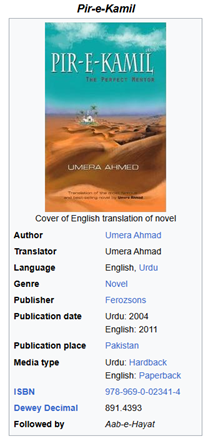
Pir‑e‑Kamil (Peer‑e‑Kamil) by Umera Ahmed remains one of the most influential modern Urdu novels. It combines spiritual introspection and personal transformation with emotional conflict.
Why it endures:
- Deep character development and life lessons.
- Themes of faith and redemption that resonate across generations.
Pir‑e‑Kamil frequently tops lists of Urdu novels readers recommend and discuss.

5.2 Khuda Ki Basti — Social Realism That Still Speaks
Khuda Ki Basti by Shaukat Siddiqui is a powerful example of social realist fiction in Urdu literature. It portrays life in urban slums and addresses poverty and struggle in post‑Partition Pakistan. Wikipedia
Its impact widened even further when adapted for television decades ago, showing how universal its social narratives are.
5.3 Humsafar — Emotional Romance & Family Drama
Written by Farhat Ishtiaq, Humsafar combines romance with family conflict and emotional growth. It became iconic after a hit TV series adaptation, reinforcing its cultural footprint among fans of Urdu romantic sagas. Wikipedia
5.4 Namal — Multi‑Genre Epic Fiction
Another of Nimra Ahmed’s celebrated works, Namal layers crime, mystery, family issues, and romance into one expansive story. Its strong narrative hooks and layered plots make it a fan favorite for deeper, complex storytelling.
6. Best Urdu Novels List PDF Download — A Reader’s Guide
Online archives host collections of Urdu novels in PDF format, including the titles above and many community‑favorite works. These listings often categorize novels by genre, theme, author, and popularity, making it easier for readers to find stories that match their interests.
Important note: Always ensure downloads are legal and safe. Support authors and publishers by buying original copies when possible — a simple move that strengthens the publishing ecosystem.
7. Why Urdu Novels Still identity of Human Emotionally, Matter — Culture.
Urdu novels don’t just tell stories — they reflect real human experiences. Their continued popularity stems from several factors:
- They mirror everyday emotions and cultural realities.
- They connect readers across generations, from nostalgic classics to modern narratives.
- They adapt to modern tastes — adding friendship‑based, self‑discovery, and multi‑genre elements.
That’s why platforms recommend both Anmol Novel By Zaroom and Main Anmol by Nimra Ahmed amid classics like Pir‑e‑Kamil.
8. Tips for New Urdu Novel Readers
For romance lovers:
- Humsafar — Classic emotional read.
- Anmol Novel By Zaroom — trending title gaining audience interest.
- For self‑reflection and growth:
- Main Anmol — Inspiring themes and emotional depth.
- For classic literature:
- Pir‑e‑Kamil — Spiritual and emotional journey.
- Khuda Ki Basti — Realist social contexts.
For layered, complex storytelling:
- Namal — Multi‑layered narrative mixing romance and suspense.
My Personal Experience
Reading Urdu novels has always felt like a quiet escape for me. I started with popular titles people talked about online and slowly got hooked. Stories like Anmol and Main Anmol felt close to real life, not dramatic for no reason. They talked about family, emotions, and self-worth in a simple way. Some novels made me reflect on my own choices and patience. Others reminded me how strong friendships can be. I liked how Urdu novels don’t rush feelings. They let emotions grow slowly and naturally. Even old novels still feel meaningful today.
For me, Urdu fiction is comfort, learning, and connection all in one.
Conclusion: Urdu Fiction Is Evolving — With Anmol at the Heart
2025’s Urdu fiction landscape is alive, diverse, and deeply emotional. From Anmol Novel By Zaroom to Main Anmol by Nimra Ahmed and time‑tested classics, readers have richer choices than ever. These novels don’t just entertain them. They spark conversations, inspire young readers, and reflect our cultural stories with nuance and heart.
Whether you’re into love, friendship, self‑discovery, or cultural narratives, there’s something waiting for you in Urdu fiction. So pick up a book, dive in, and let these stories feel like old friends telling you new secrets.